REGIO DELTOIDEA
Shoulder
Common complaints — Rotator cuff overload · Handball shoulder · Frozen shoulder
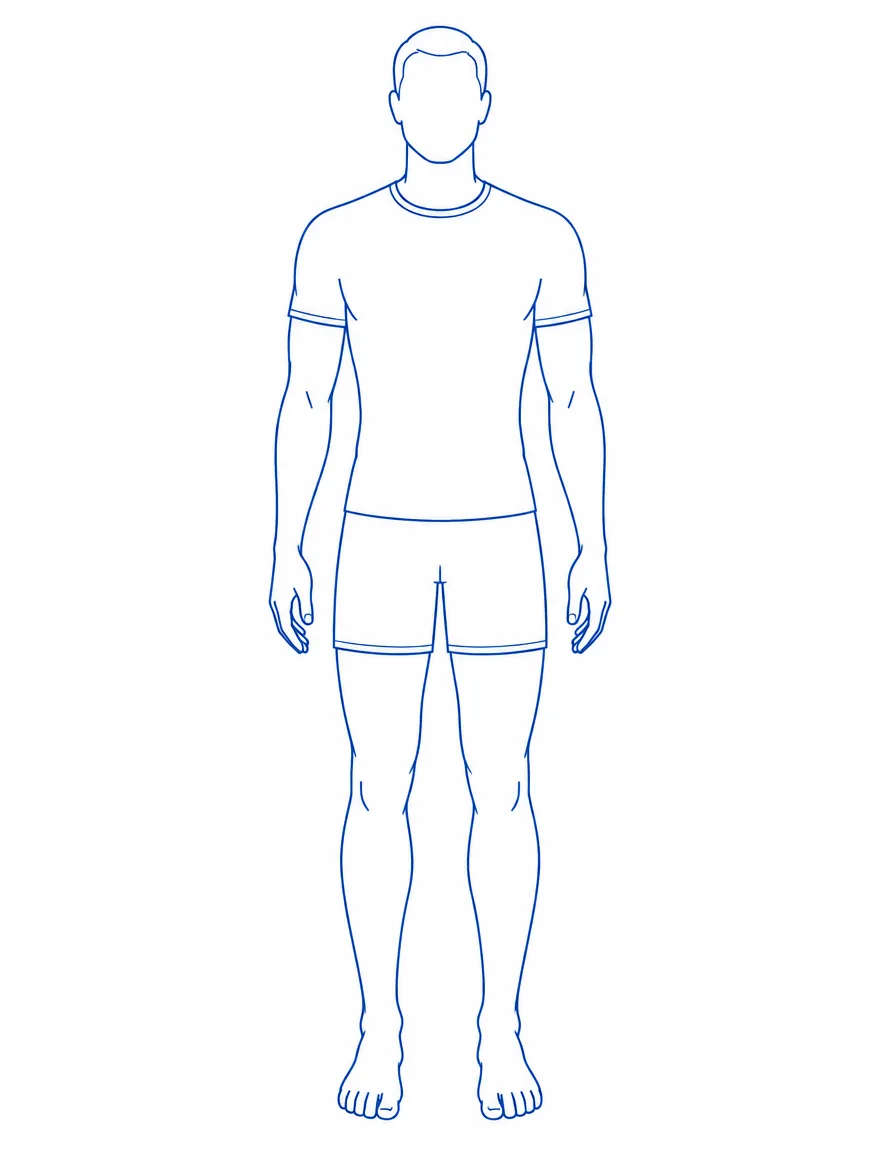
Common complaints
01
Rotator cuff overload
Pain over the front and outer part of the shoulder, sharpest when raising the arm, especially overhead. It is often worse at night when lying on that side.
The rotator cuff muscles keep the head of the upper arm centred in the socket. Under repeated overhead load — swimming, throwing, working above head height — the tendon is compressed again and again in a narrow bony space and its attachment becomes overloaded.
02
Handball shoulder
Deep shoulder pain during a throw, at the moment the arm is cocked back, together with a loose, unreliable feeling in the joint.
Years of repeating the throwing motion stretch the front of the joint capsule while the back of it tightens. The path of the humeral head shifts, and the posterior cuff and the joint labrum take more load than they are built for.
03
Frozen shoulder
Shoulder pain that comes on gradually, often without a clear trigger, followed by increasing restriction — the arm cannot be raised through its usual range, either actively or passively.
After an inflammatory process the joint capsule thickens and contracts, so the free range of the shoulder narrows. A trigger often cannot be named: frequently it simply starts on its own, and at other times it follows a period of immobility or an earlier injury. It typically runs a long course, and it is more common in people living with diabetes or thyroid disease — which is worth having a doctor look at.
How to prevent it
- Regular, low-load strengthening of the scapular stabilisers and the rotator cuff.
- Keeping the thoracic spine mobile — reaching overhead is only safe if the upper back moves with it.
- In throwing and racket sports, increasing volume gradually and with technical control.
- When it hurts, keeping the pain-free range moving instead of resting the shoulder completely.
This is exactly what prevention training is built on — if you would rather head off a recurring complaint, take a look at the service. Prevention training
This page is information, not a diagnosis. What is actually causing your complaint can only be established during an in-person assessment. If a complaint persists, is severe, or is getting worse, the first step is a medical examination, not therapy.