REGIO CUBITI
Elbow
Common complaints — Tennis elbow · Golfer’s elbow
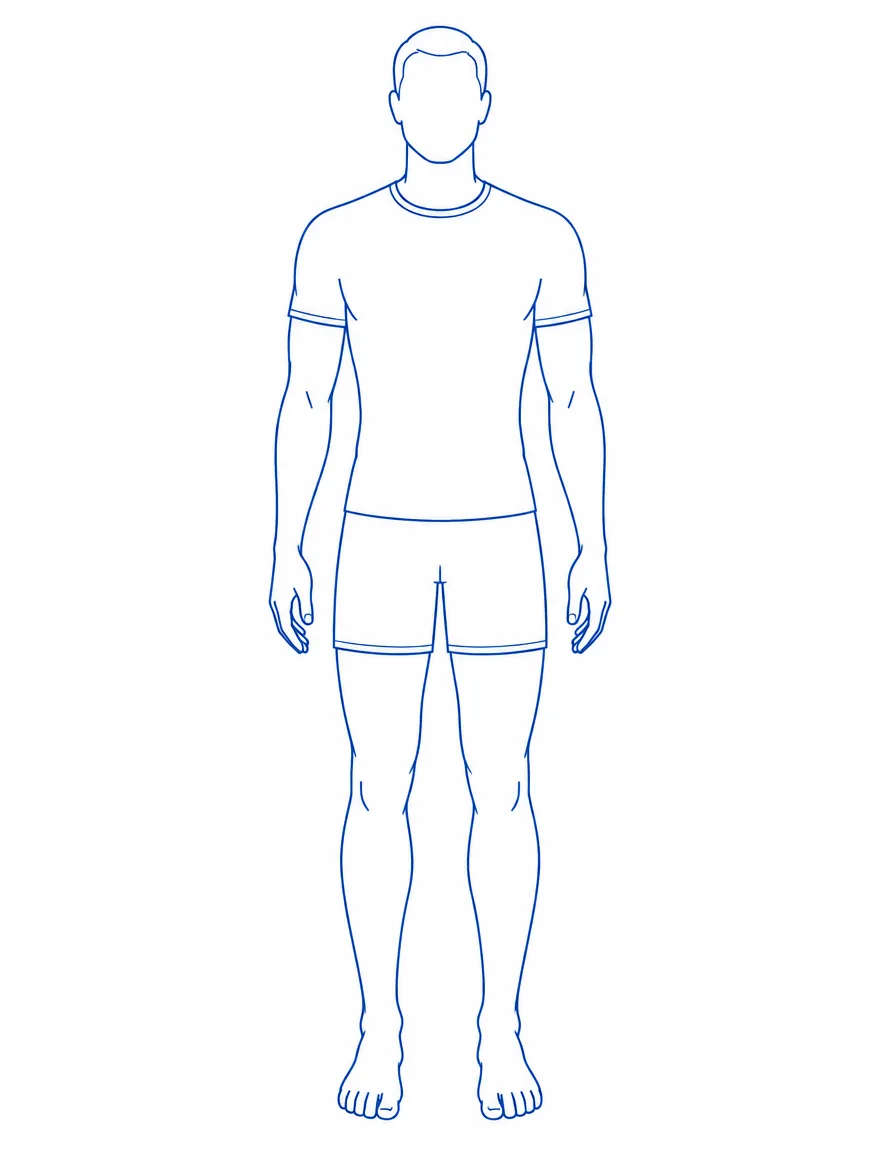
Common complaints
01
Tennis elbow
Sharp pain on the outer side of the elbow, worse when gripping, lifting or twisting. It can usually be pointed to at a single spot near the bony prominence, and from there it spreads down the outer forearm. Lifting a full mug or turning a door handle can become difficult.
The shared tendon attachment of the wrist and finger extensors is overloaded by repetitive, one-sided movement — racket sports, tool use, keyboard and mouse. What happens in the tendon is usually not classic inflammation: the structure of the fibres remodels, because load repeats faster than the tissue can recover. That is why rest alone tends not to resolve it, and why gradually built loaded strengthening matters.
02
Golfer’s elbow
Pain on the inner side of the elbow when flexing the wrist or squeezing. It often shows up first in a handshake, when lifting a heavy bag or wringing out a cloth, and from there it spreads down the inner forearm.
The same overload mechanism, on the attachment of the wrist flexors and pronators instead. Behind it there is usually repeated gripping, pulling, throwing or striking. Often the elbow is not where the problem starts: if the shoulder and the trunk do not carry their share of the load, the end of the movement leaves a disproportionate amount of work to the forearm.
How to prevent it
- Balanced strengthening of the forearm flexors and extensors, with load increased gradually.
- Technical correction of grip and impact loading — the grip size of the racket or tool matters too.
- Warm-up before load, stretching after.
- Keeping the shoulder girdle and trunk strong: the elbow often pays for what the shoulder does not absorb.
This is exactly what prevention training is built on — if you would rather head off a recurring complaint, take a look at the service. Prevention training
This page is information, not a diagnosis. What is actually causing your complaint can only be established during an in-person assessment. If a complaint persists, is severe, or is getting worse, the first step is a medical examination, not therapy.