REGIO LUMBALIS
Lower back
Common complaints — Lumbago · Disc herniation · Degenerative changes of the lumbar spine
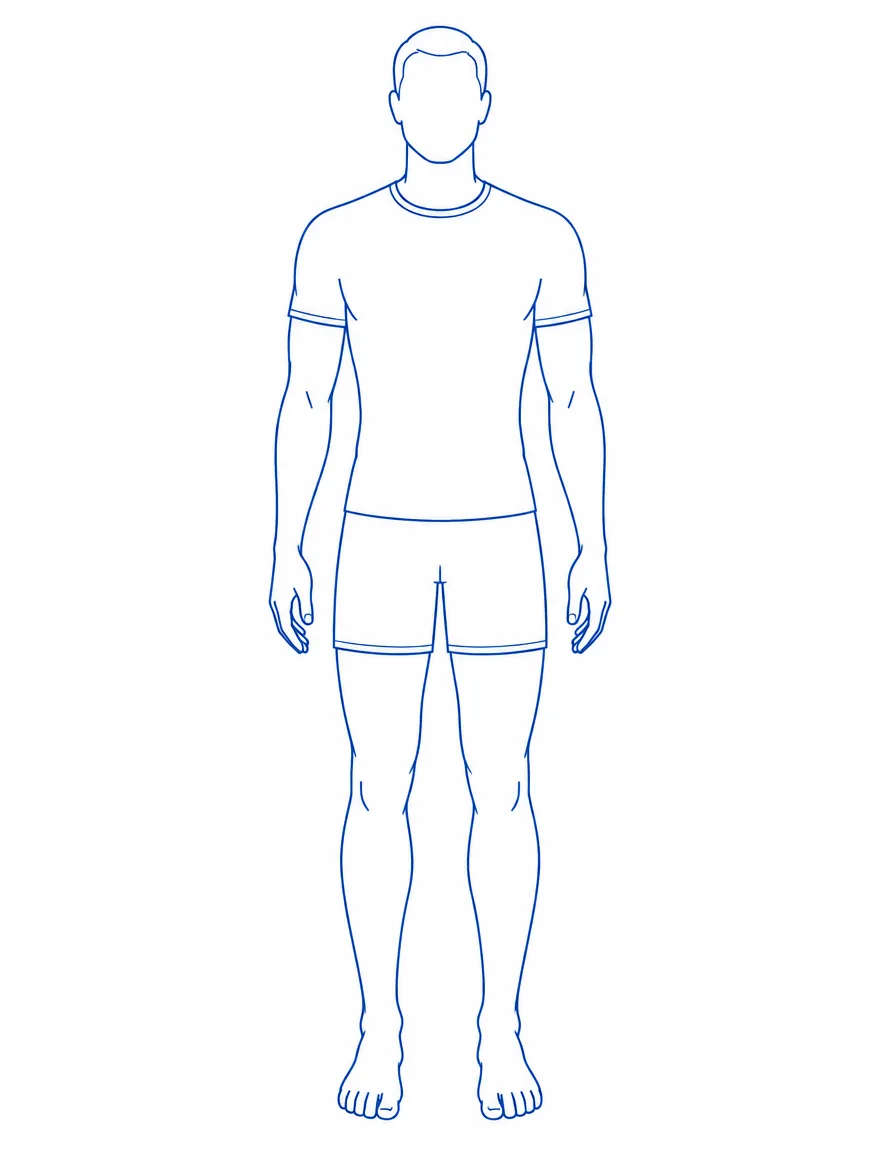
Common complaints
01
Lumbago
A sudden, cramping stab in the lower back, after which straightening up and standing become difficult. People typically move stiffly, held over to one side.
It is usually set off by an everyday movement — bending, lifting, twisting — but it sits on top of a longer period of overload: the trunk muscles are not stabilising well and the deeper layers go into a protective spasm.
02
Disc herniation
Low back pain that travels through the buttock into the leg and intensifies with bending forward, longer periods of sitting, or sneezing. It is sometimes accompanied by numbness or weakness.
The outer ring of the intervertebral disc weakens under repeated bending and twisting load, and the inner material bulges towards the nerve roots. If there are nerve symptoms — numbness, weakness — medical investigation comes first; movement therapy is built afterwards, around the findings. A change in bladder or bowel control, numbness in the saddle area — the groin, the buttocks and the inner thighs — or leg weakness that is getting worse quickly needs immediate medical care: these are not reasons to book a therapy appointment, they are reasons to go to urgent care.
03
Degenerative changes of the lumbar spine
Morning stiffness and a dull ache in the lower back that eases with movement but returns after longer periods of standing or sitting.
Over the years the discs lose water content and the surfaces of the small facet joints thin. On its own this is an age-related process, and the imaging findings often do not match the symptoms; it tends to cause trouble when the trunk muscles are weak and load concentrates on a few segments.
How to prevent it
- Regular strengthening of the trunk stabilisers — the deep abdominals, the deep back muscles and the glutes.
- Lifting technique: the load close to the body, the movement starting from the hips and knees rather than the lower back.
- At a desk, changing position every hour and stretching the hip flexors regularly.
- Building training load gradually — sudden jumps in volume are what the lower back tolerates worst.
This is exactly what prevention training is built on — if you would rather head off a recurring complaint, take a look at the service. Prevention training
This page is information, not a diagnosis. What is actually causing your complaint can only be established during an in-person assessment. If a complaint persists, is severe, or is getting worse, the first step is a medical examination, not therapy.